Newsroom

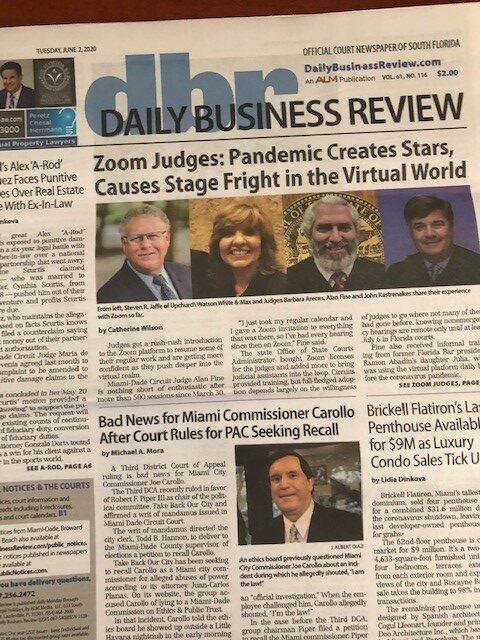
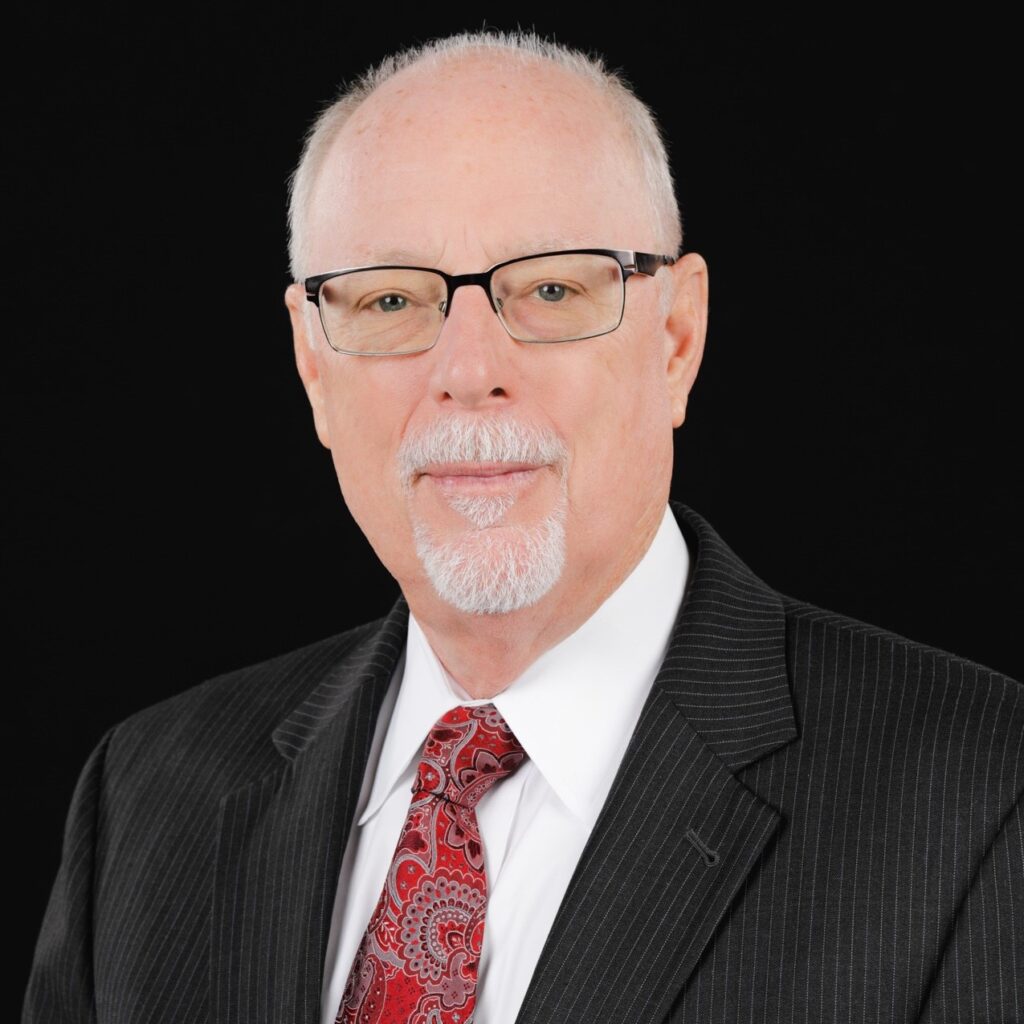
Recently, Daily Business Review writer and editor Catherine Wilson asked a UWWM panel member, Steven R. Jaffe, to comment for her article titled  "Zoom Judges: Stars and Stage Fright in the Virtual World," in which she tells the story of some judges and mediators who "made quick jumps into the Zoom world, racking up dozens and even hundreds of remote hearings. They talk about their virtual work, video surprises like a leaping cat and background screen choices."
He begins his mediation career as in-person conferencing has been curtailed, but he has a strategy for that and for preparing attorneys and parties to get maximum results from mediation videoconferences.
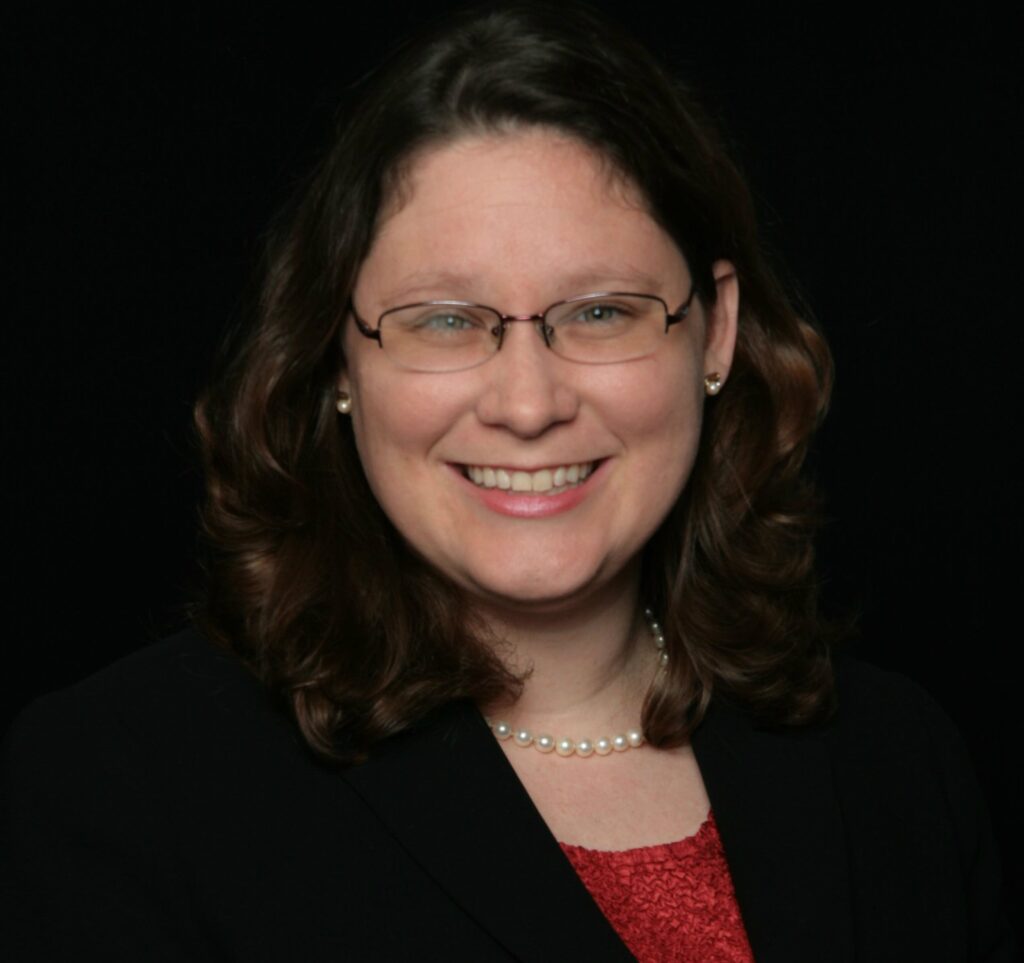
UWWM mediator Ana Cristina Maldonado, together with other trainers, recently took to Zoom to present a five-day family mediation training course. They had been scheduled to teach live and in-person for the Florida Mediation Training Center in Davie, but those plans were upended by the Covid-19 restrictions. The Monday before the class was to begin, "we figured we were cancelled," Cristina says. "On Tuesday, the Supreme Court said we could do it online." Two days later, she started the online meeting, launching the class.

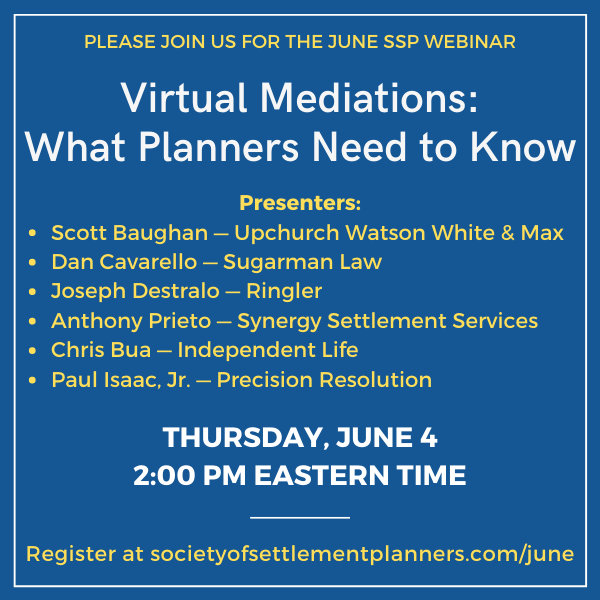
Until recently, mediations were conducted predominantly “live’ or “in person.” Covid-19 has radically slowed many processes associated with the courts, and we are once again faced with the “new” and “different.” The strong need and desire for dispute management and resolution still exists, but we must now look to technology for remote collaboration. The tools for remote mediation are not entirely new. Even at “live” mediations, telephone participation was never rare, and large corporations have long conducted online business conferences. Platforms for online conferences have been with us for a few years — some of the newer ones being Zoom, GoToMeeting and Webex. Online dispute resolution, although not widely accepted, has gained some following with the advent of e-commerce.
The mediation group, with nine offices in Florida and Alabama and a panel of 43 professional neutrals, drafted the policy statement in response to widely reported security concerns about the popular video meeting platform Zoom.
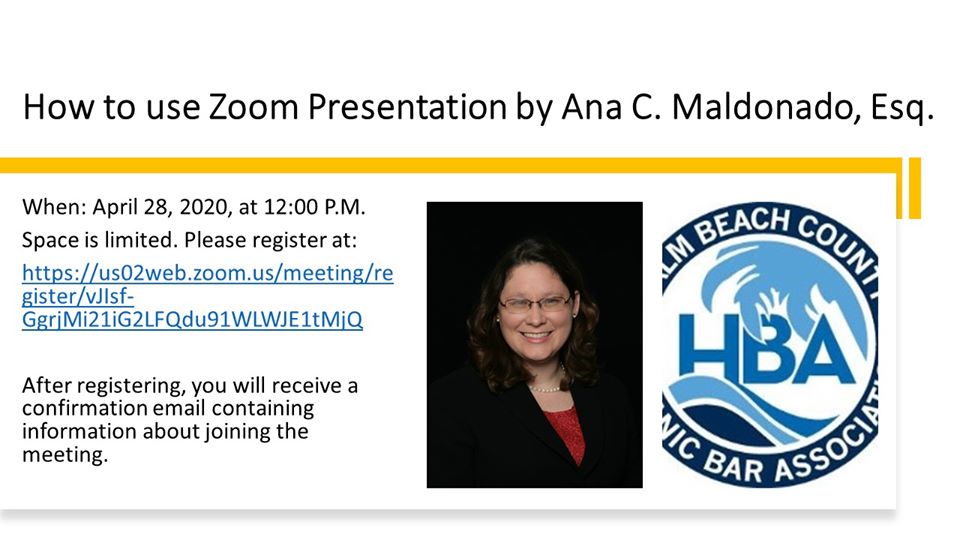
Mediator Ana Cristina Maldonado continues with a series of educational presentations on April 28; this one is a virtual Lunch & Learn on how to use Zoom for the Palm Beach County Hispanic Bar Association. It is a free program, but space is limited.
Two mediators on the Upchurch Watson White & Max panel will draw on their practical knowledge at noon today (Tuesday, March 19, 2020) to present "Reaching Resolution in a Remote Revolution - Remote Mediation Do's, Don'ts, and Best Practices," a CLE Webinar sponsored by a group of voluntary bar associations from across Florida.
IMPORTANT: If you have a mediation scheduled with an Upchurch Watson White & Max mediator, there is no need to cancel it. We offer virtual mediations as an option, using online videoconference platforms.
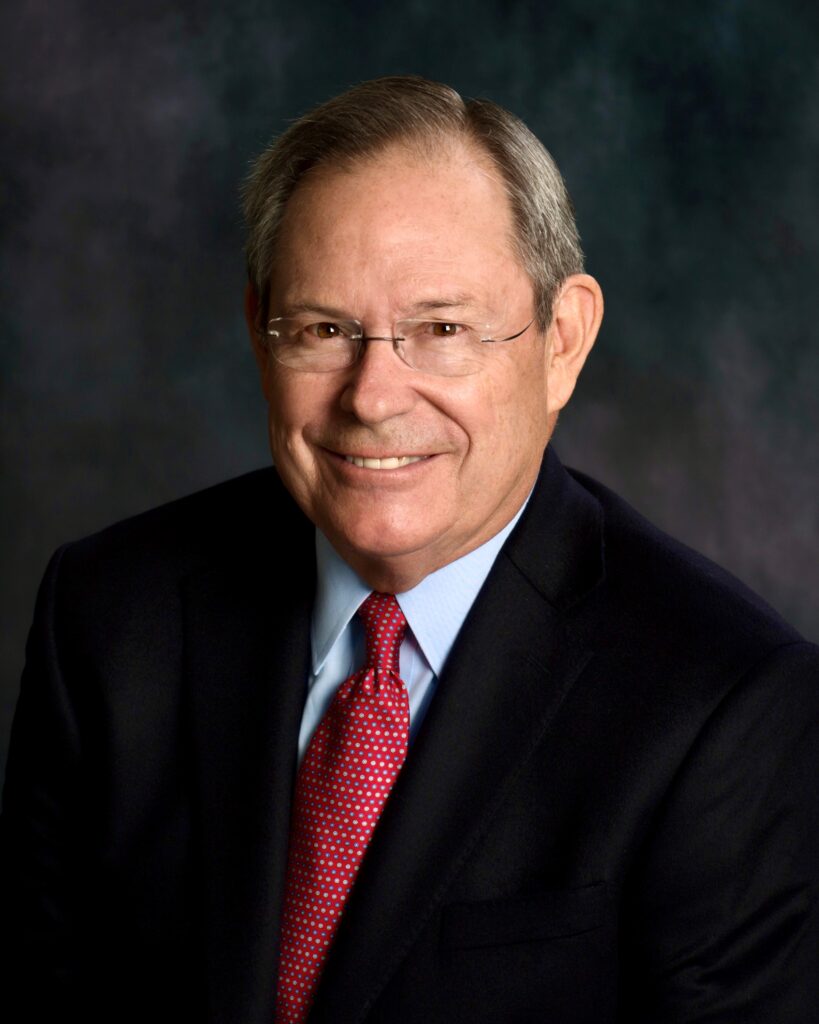
During the current uncertainty regarding travel and gathering in groups, we'd like to assure you that Upchurch Watson White & Max has taken measures for your comfort and safety and the comfort and safety of your clients. Please read on for a message from John Upchurch, our president and CEO.
UWWM is taking dispute resolution to new heights across the state. The group, which recently celebrated the opening of its new Miami office, continues a years-long quest to enhance conference facilities and further develop its panel of quality neutrals.