
Blog
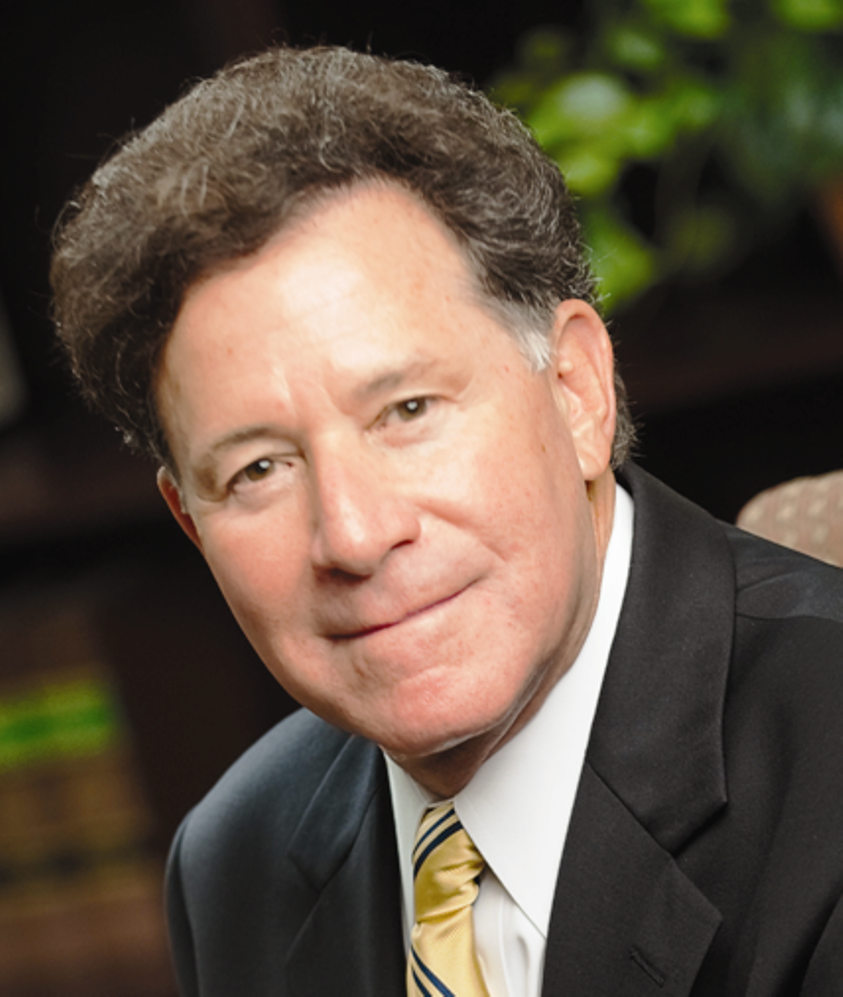
My Upchurch Watson White & Max colleagues and I recently discussed the concept of a Mediator's Proposal (MP), which gave me the opportunity to lay out my position on this mediation tool. For me, the polestars for the mediation process generally are mutuality and self determination. From beginning to end, we are facilitating the process to accommodate the positions of the parties with the need to achieve a mutuality through self determination. So too it is with an MP – will both sides accept the concept? And, if so, will both sides accept the amount, range or other concept that makes up the MP?

I don’t think anyone expected Rule 1.720(e), to resolve all issues concerning authority to settle at mediation. The Rule requires the service of a statement executed by counsel or a party identifying the representative attending the mediation on its behalf having full authority to settle without further consultation with respect to all issues presented by the case and with the legal capacity to execute a binding settlement agreement on behalf of the party. [See Rule 1.720(e), Fla. R. Civ. Pro.] The undisputed benefit of the Rule is that it requires some degree of forethought and preparation by the parties and their attorneys prior to mediation. It also eliminates two steps in the process of seeking sanctions

The University of Florida ADR (Alternative Dispute Resolution) team competes in about five intercollegiate competitions annually. Closely coordinated with the American Bar Association, many of these meets take place in conjunction with the national convention as well as Section meetings throughout the year. UF will host an intercollegiate meet in February, and our firm members will be very active in a coaching and mentoring role as that approaches. For us, this is a fulfilling opportunity for participation and service to the college and its students.

This year’s ABA Mediation Week will be here soon, Oct. 12 through 18. Lawyers, dispute resolution professionals, companies, academic institutions, communities, families and organizations of all shapes and sizes will celebrate mediation during that week. The goal each year is to promote understanding and use of mediation to manage and resolve disputes wherever they arise. Our theme this year is “Stories Mediators Tell – From Rookie to Veteran, Exploring the Spectrum of Mediation." I consider myself both blessed and lucky to be a mediator, and this is my story, providing a general glimpse of how I view my profession.
Watching the NFL, ESPN, and other news agencies stumble through the Ray Rice incident and the mayhem that has ensued ironically may demonstrate how useful a professional neutral can be in many situations that don’t present as traditional “disputes.” In the midst of watching the issue of domestic violence as it unfolds within the sports community, two surprising voices have emerged.
For decades there have been databases that purport to predict settlement and jury verdict values based on known factors – liability, injury, expense, disability, venue, etc.; however, most practitioners feel there has never been a methodology more reliable than the judgment of an experienced trial attorney. In 2008, the Review of Law and Economics published an article in which the authors analyzed jury verdicts in drunk driving cases in order to determine the factors affecting recovery. The results would not be surprising to a trial attorney.
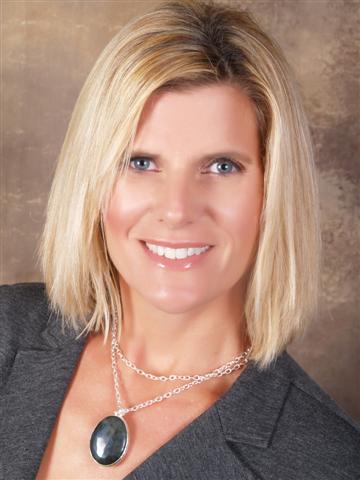
As a member of The Florida Bar since 1994, Sandy Upchurch has a broad base of litigation experience that allows her to effectively mediate a wide...
In Florida, all certified mediators must take a course in domestic violence every two years to satisfy our continuing education requirements. I have to say it irritates me to no end. Every two years? Can’t I take a test and opt out of it? Really, I get it! Unfortunately, no matter how burdensome the experience, the topic is obviously of sufficient importance that mediators and many other licensed professionals must also satisfy these requirements. Is it really so misunderstood or is this one way to acknowledge the importance of the topic?
Lean In is the brain child of Facebook COO Sheryl Sandberg. Anyone who has not seen her TED Talk on YouTube should do so as it succinctly states the mission of the book and the groups that have developed in response to the book. There are other effective women lawyers’ associations that have emerged over the past 25 years as women have become more prevalent in the profession. These groups are really no different from the various committees that evolve from professional associations to address issues of common interest. Lean In addresses the challenges working women experience and offers positive solutions for complex problems, in particular through the power of negotiation. It is therefore a natural area of interest for a firm devoted to mediation and other forms of dispute resolution.
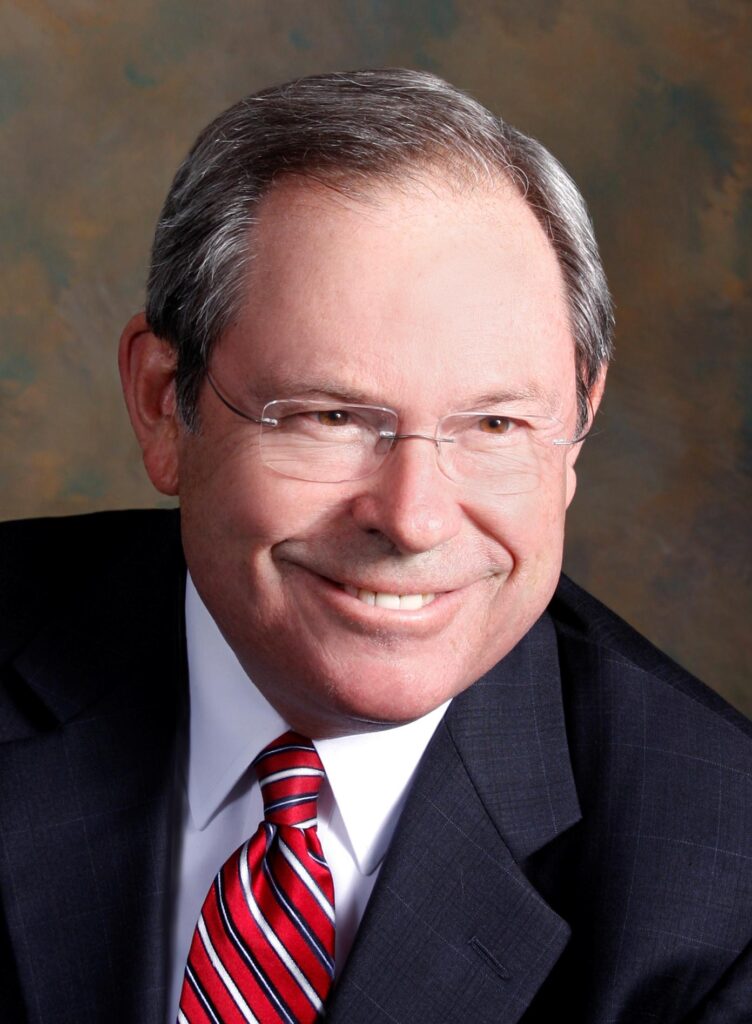
Few will disagree that the practice of law is a stressful profession with myriad challenges, ranging from attracting enough business and overseeing operations to dealing with clients, opposing counsel and judges who can drive one to the edge of despair. Finding a countervailing balance in life also is a challenge. I thoroughly enjoy my practice and cannot imagine doing anything else. Nevertheless, to retain one’s sanity, there has to be a release. Mine is international travel.