Arbitrator A. Michelle Jernigan Speaks on Agreements, Fears for Orange County Bar Association

Mediator/arbitrator A. Michelle Jernigan , a shareholder with Upchurch Watson White & Max, recently gave a presentation, “Should You Be…
UWWM Adds Thought Leadership to June 2 CME Seminar in Jacksonville

Three mediators from Upchurch Watson White & Max are playing a role in The Jacksonville Bar Association ADR Practitioners Committee’s 10th annual Northeast Florida CME Seminar for Mediators on Thursday, June 2, 2016. UWWM’s Robert A. “Bob” Cole is committee chair and planned the entire program with mediator Jake Schickel. This year’s course will be at its customary venue, Florida Coastal School of Law, 8787 Baypine Road, Jacksonville. The course is eligible for up to 8.0 Continuing Mediation Education hours, including 4.0 Ethics, 2.0 Domestic Violence, 1.0 Diversity and 1.0 General. Mediators are required to self-report hours applicable to their areas of certification at the time of their renewal.
Arbitrator Lawrence Kolin to Speak for Orange County Bar Association CLE Seminar June 1

“Arbitration has been a hot topic this year, whether in the form of coming changes to consumer and class arbitration or developments in cross-border and international agreements,” says mediator and arbitrator Lawrence Kolin, who will speak on the topic from noon to 1 p.m. Thursday, June 1, 2016. Gary Salzman, a shareholder at GrayRobinson, P.A., Esq. and Beppy Owen, a partner at Akerman, will join Lawrence to present “Arbitration: An Alternative to Dispute Resolutions,” a complimentary continuing legal education seminar at the Orange County Bar Association Center, 880 N. Orange Ave., Orlando, Fla. “We plan to cover the nuts and bolts of the process, as well as hints in avoiding traps while drafting arbitration provisions at the outset,” Lawrence says.
Gainesville Mediator Carl Schwait Joins Upchurch Watson White & Max
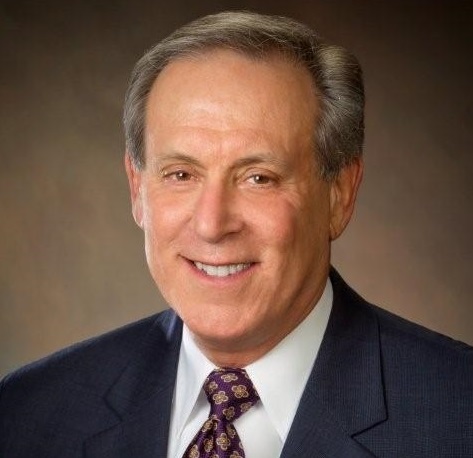
Carl B. Schwait, formerly senior and managing partner for local law firm Dell Graham, P.A., has joined Upchurch Watson White & Max’s panel, bolstering the mediation group’s presence in North Central Florida. Mr Schwait intends to center his dispute resolution practice geographically along a corridor between Inverness and Lake City, but, like other UWWM mediators, he will travel wherever his clients desire. “I look forward to working with Upchurch Watson White & Max in helping the lawyers and citizens of Florida to settle their cases,” Mr. Schwait says. Mr. Schwait is already well known among attorneys in the Eighth Judicial Circuit (Levy, Alachua, Gilchrist, Union, Bradford and Baker counties); he is serving his sixth term as the circuit’s sole representative to the Florida Bar Board of Governors and has long been active in the local bar association.
Insurance Coverage and Bad Faith 101

Approved 1.0 FL Bar General CLE Credit
Course # 1601470N
until 11/18/2017
Presented by: A. Michelle Jernigan; Stephen A. Marino, Jr.; and…
Insurance Coverage and Bad Faith 101
Approved 1.0 FL Bar General CLE Credit
Course # 1601470N
until 11/18/2017
Presented by: A. Michelle Jernigan; Stephen A. Marino, Jr.; and…
Practice Tips for Litigators: A Q&A with Upchurch Watson White & Max
Featuring mediators Kimberly Sands, Richard Lord and Charles A. Mancuso in a panel discussion, our April 18 Webinar is titled “Practice Tips for…
Ricardo Cata Moderates, Chairs Program Discussing Mediation Method for Resolving U.S.-Cuba Disputes
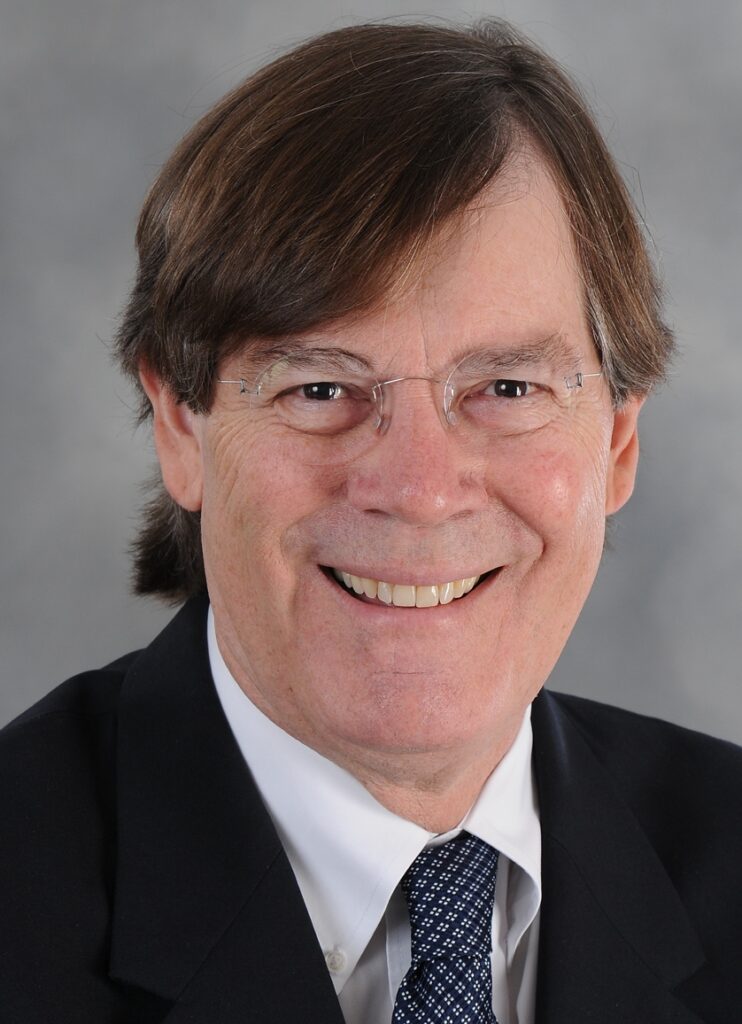
On Wednesday, April 13, 2016, I chaired and moderated a program at the ABA’s International Section’s Spring Meeting in New York City, presented by the Mediation Committee of the International Section, titled: “The Role of Mediation in Resolving the U.S. Claims Against Cuba.”
The speakers were: attorney Nancy Thevenin, Principal of Thevenin Arbitration & ADR of New York; James Meyer, Partner at Harper Meyer Perez et al of Miami; and Antonio Martinez, of counsel to the Schwartz Malito firm of New York. The program was heavily attended, and there was significant audience participation by way of questions and comments. We had to stop the questions about 7 minutes after the concluding time for the program.
UWWM’s Brandon Peters Named to UF Self-Insurance Programs’ Panel of Presuit Mediators
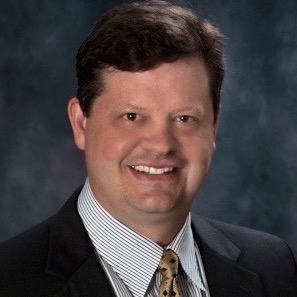
GAINESVILLE, Fla. (April 14, 2016) – Brandon Peters, who mediates throughout the state with Upchurch Watson White & Max, recently has been named by the University of Florida Self-Insurance Program to a panel of presuit mediators for medical malpractice cases at six participating institutions. Randall C. Jenkins, administrator of five of the six Florida Board of Governors’ self-insurance programs, offers some history, beginning with the J. Hillis Miller Health Center Self-Insurance Program, which dates to 1971 at UF. “It was one of the first, if not the first, of its kind in the United States and set a standard for liability protection in the academic health care setting.” Since then, “Florida has expanded the State University System’s health care education programs to virtually all areas in the Sunshine State. Self-Insurance Programs (SIPs) have been created by the Florida Board of Governors for the Florida State University College of Medicine, the University of Central Florida College of Medicine, Florida International University College of Medicine, Florida Atlantic University College of Medicine and the University of South Florida Health Science Center, joining the Self-Insurance Program at the University of Florida Gainesville and Jacksonville campuses.”
ABA Dispute Resolution Section Welcomes U.N. Official and Kicks off Spring Conference With Learning

This morning, attendees of the American Bar Association Section of Dispute Resolution’s 18th Annual Spring Conference in NYC heard from Johnston Barkat, assistant secretary-general of the United Nations. Sharing insights from around the world, he spoke of the importance of many of the keys to dispute resolution. Emotional and cognitive intelligence, safe psychological spaces, diversity of thought, and procedural fairness are not only vital to us all as mediators, but also to the transformation of systems. And later, the first of dozens of concurrent learning systems kicked off our three-day day conference.