
To avoid an impasse, the use and utility of a pre-mediation conference with counsel should not be underestimated. Under the active theory of dispute resolution, the mediator should have the requisite tools he or she needs prior to the mediation to facilitate the autonomy of the parties. In other words, the mediator needs the necessary information to enable the parties to reach a voluntary resolution. Ideally, the mediator should not take the role of merely being a messenger; in terms of communicating settlement offers, the mediator should be actively engaged with the parties to create a successful, transformative mediation process.
Exploring the following issues with counsel before the mediation can enable the parties to avoid an impasse at mediation:
- Defining the Scope of the Mediation: For the mediation to be successful, the parties should agree on the agenda for the mediation; in other words, perhaps liability has been established, and the only issue to consider is the applicability of damages.
- Prior History of Settlement Negotiations: The mediator should be apprised of the status of the parties’ settlement negotiations and the factual basis for those discussions.
- Possible Barriers to Settlement: The mediator should be aware of any special facts, or circumstances, which would preclude a voluntary resolution, such as emotional issues or a possible misperception of the facts by one side or the other. Are there any novel issues involved, allowing the parties to “think outside the box,” which could lead to a negotiated resolution?
- Identifying the Procedural Posture of the Case: The mediator should be aware if the mediation conference is being convened pre-suit, at another early stage of the case, or relatively close to the trial date.
- Identify the Parties, Stakeholder and Possible Existence of Non-Parties: At a minimum, the parties should be in agreement regarding the presence of all necessary parties, including the parties with ultimate settlement authority.
- The Preliminary Requirements for the Mediation Session: Counsel for the parties should discuss the agreed-upon timeframe of the mediation session, managing time expectations, the mediator’s letter of engagement, a confidentiality agreement and a mediation agreement. A summary should be drafted for the first five items on this list, and the summary should be distributed to the parties and their respective representatives.
These preliminary steps should be implemented at least thirty (30) days prior to the mediation session. Setting the ground rules will set the stage for success. The discussion and the framing of these issues will assist the parties in facilitating a successful outcome in the mediation session.
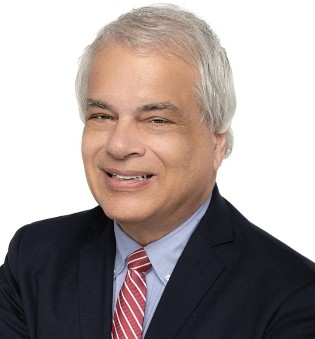
Mediator/Arbitrator Mark J. Berkowitz brings more than 35 years of experience as a labor and employment attorney to his work. He has represented employees and employers in a wide range of workplace and employment disputes in state and federal courts and before administrative agencies.